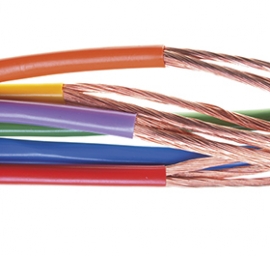
Expand the Possibilities
Want more for less? Our full range of plastisols and powder coating formulations offer a balance of both cost efficiency and performance. From non-phthalate plastisols for toys to vinyl organisols for automotive pin striping or decals, you’ll find a solution to fit your needs.
Together with our technical expertise and design support, we can help optimize your processes and improve product performance. Whether you are looking for plastisol for healthcare applications or vinyl powder formulations to meet automotive OEM requirements, our specialty vinyl solutions can help you expand your horizons.
Technologies
- Vinyl Plastisols + Organosols
- CORE™ Bio-based Vinyl Plastisols
- CORE™ Non-Phthalate Plastisols
- CORE™ Plastisol Adhesives
- CORE™ Vinyl Organosols
- CORE™ Vinyl Plastisols
- CORE™ Vinyl Plastisols for Healthcare
- CORE™ Wear-Resistant Vinyl Plastisols
- Vinyl Powder Coating and Dip Molding
- CORE™ VBX Series Vinyl Powder Slush Formulations
- CORE™ Vinyl Powder Coating Formulations




From the Idea Center
 Considering In-House Plastisol Production?
Weigh the pros and cons in these seven key categories
More
Considering In-House Plastisol Production?
Weigh the pros and cons in these seven key categories
More
 RoHS Compliance Expands Markets
Learn how Kalas expanded its offerings by reducing heavy metal in wire, cable.
More
RoHS Compliance Expands Markets
Learn how Kalas expanded its offerings by reducing heavy metal in wire, cable.
More
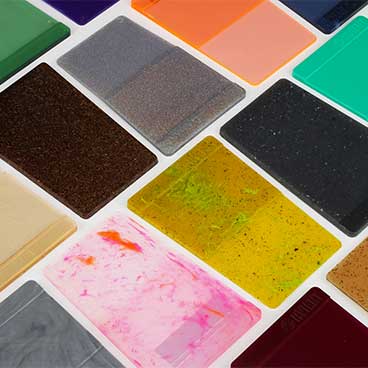 Color and effect trends for inspired plastic designs
Create impactful aesthetics for your future plastic products using our ColorForward™ annual color and effect trend forecasting guide.
More
Color and effect trends for inspired plastic designs
Create impactful aesthetics for your future plastic products using our ColorForward™ annual color and effect trend forecasting guide.
More
 How to Lightweight Automotive Components
Exploring Three Key Opportunities for Metal-to-Plastic Conversion
More
How to Lightweight Automotive Components
Exploring Three Key Opportunities for Metal-to-Plastic Conversion
More
Resource Center

Marketing + Technical Info
Browse and download our literature to learn more about Avient solutions and services.

Technical Literature
Technical information, design guides, processing information and more.

Safety Data Sheets
Important information about the health, safety and environmental impacts of Avient products.

Technical Data Sheets
Browse our library of product data sheets containing technical descriptions and details.